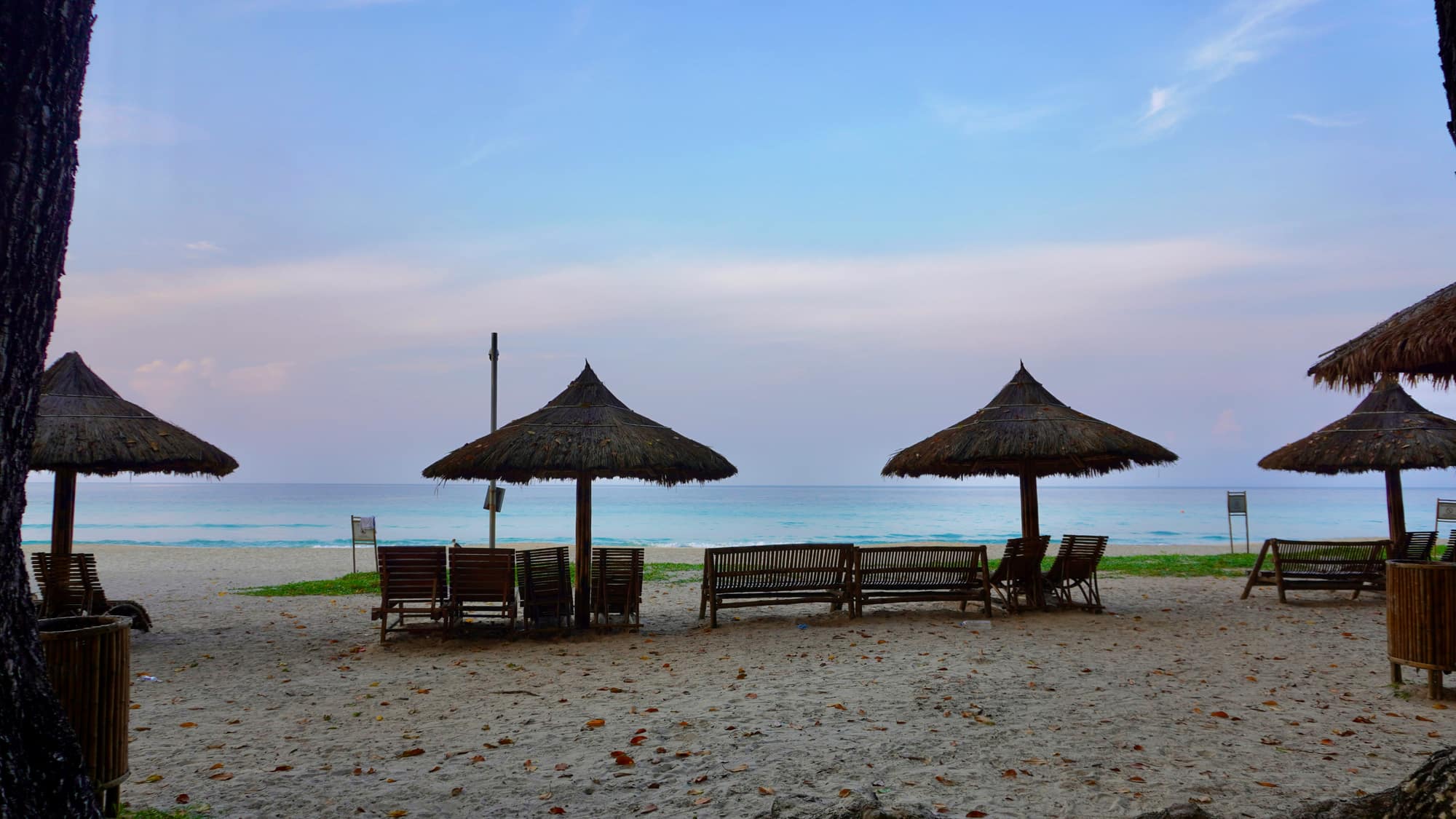
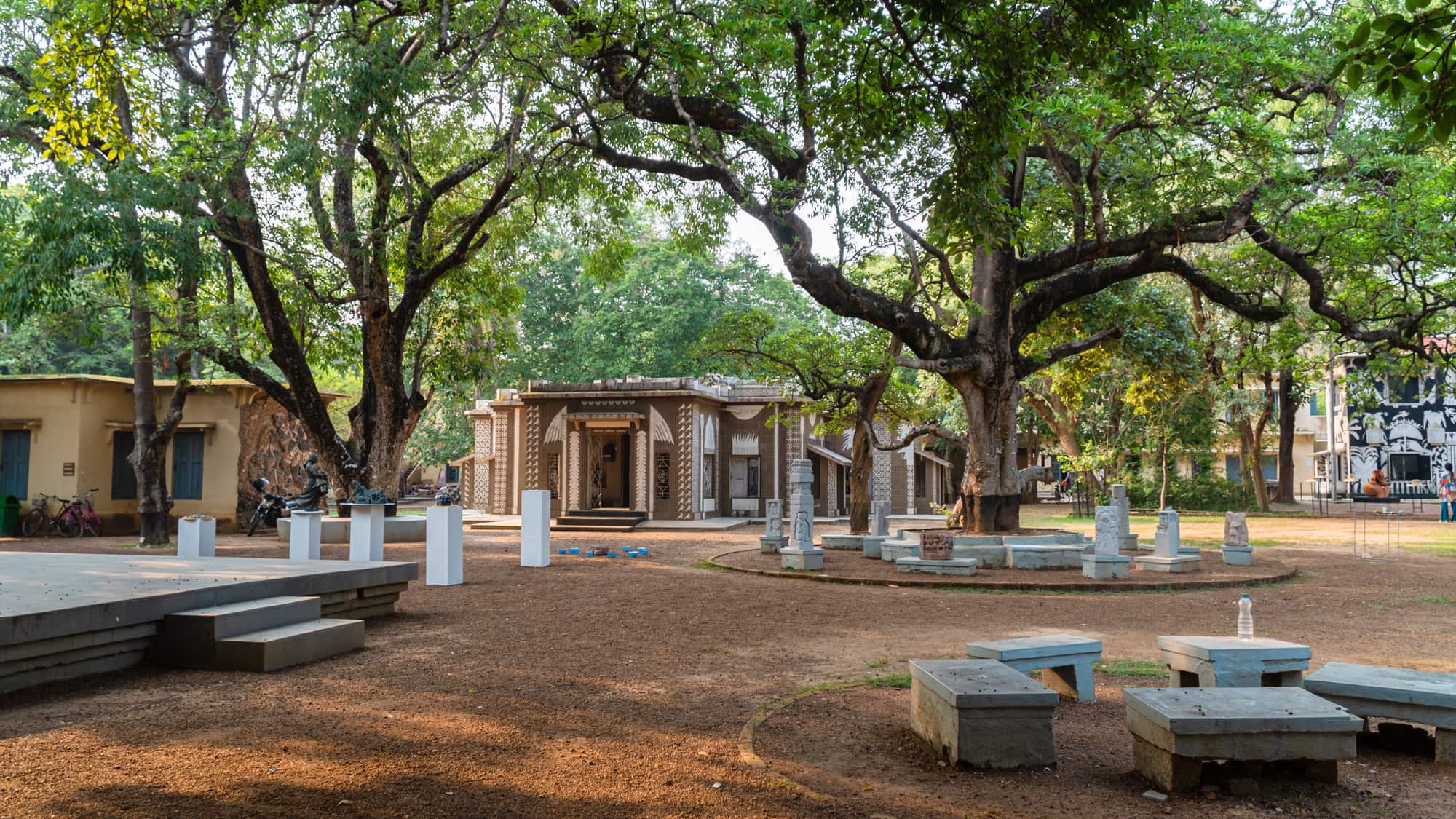
Goa brings together a coastline of coconut palm, laterite headlands and river estuaries with four centuries of Portuguese rule layered over Konkani village life. The north, around Baga, Calangute and Anjuna, is busy and social: markets, water sports, shacks along the sand, music that runs late. The south is quieter, with wider beaches, fewer buildings and long empty afternoons. Inland, away from the coast entirely, Old Goa's basilicas and the spice plantations and waterfalls of the Western Ghats give the state a second character that first-time visitors often miss. Goa works for families in the calmer south, for groups and couples in the north, and for anyone who wants a beach holiday without a long journey to reach it.
Goa at a glance
Best time to visit
Nov, Dec, Jan, Feb (shoulder: Mar, Apr, Oct)
Suggested duration
4–6 Days
Starting price
₹13,000 per person — a starting figure, confirmed in your proposal
Region
India · Islands & Beaches
Trip style
Beach, honeymoon
Build the days around what matters
Places to visit
goa-place-01.webp
BeachHalf day
Baga & Calangute Beach
The busiest stretch of north Goa's coast, two beaches running into each other along a wide strip of sand. This is where the water sports operate — parasailing, jet-skis, banana boats — and where the shacks, sunbeds and evening crowds are thickest. Lively and commercial rather than quiet or scenic.
Fort1–2 hours
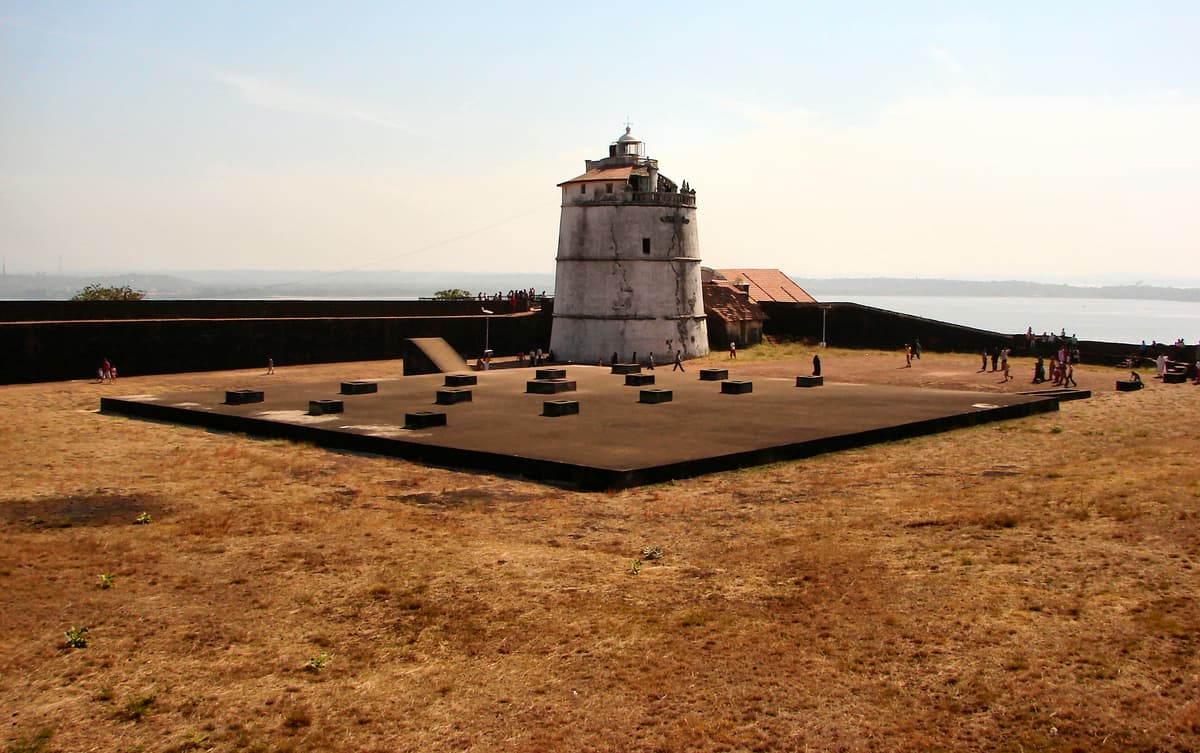
Fort Aguada
A Portuguese fort built above the Mandovi estuary to guard the river mouth and refill passing ships with fresh water, which is where its name comes from. The laterite ramparts, the dry moat and the free-standing lighthouse survive, and the ridge gives a long view along the coast.
Heritage Site1–2 hours
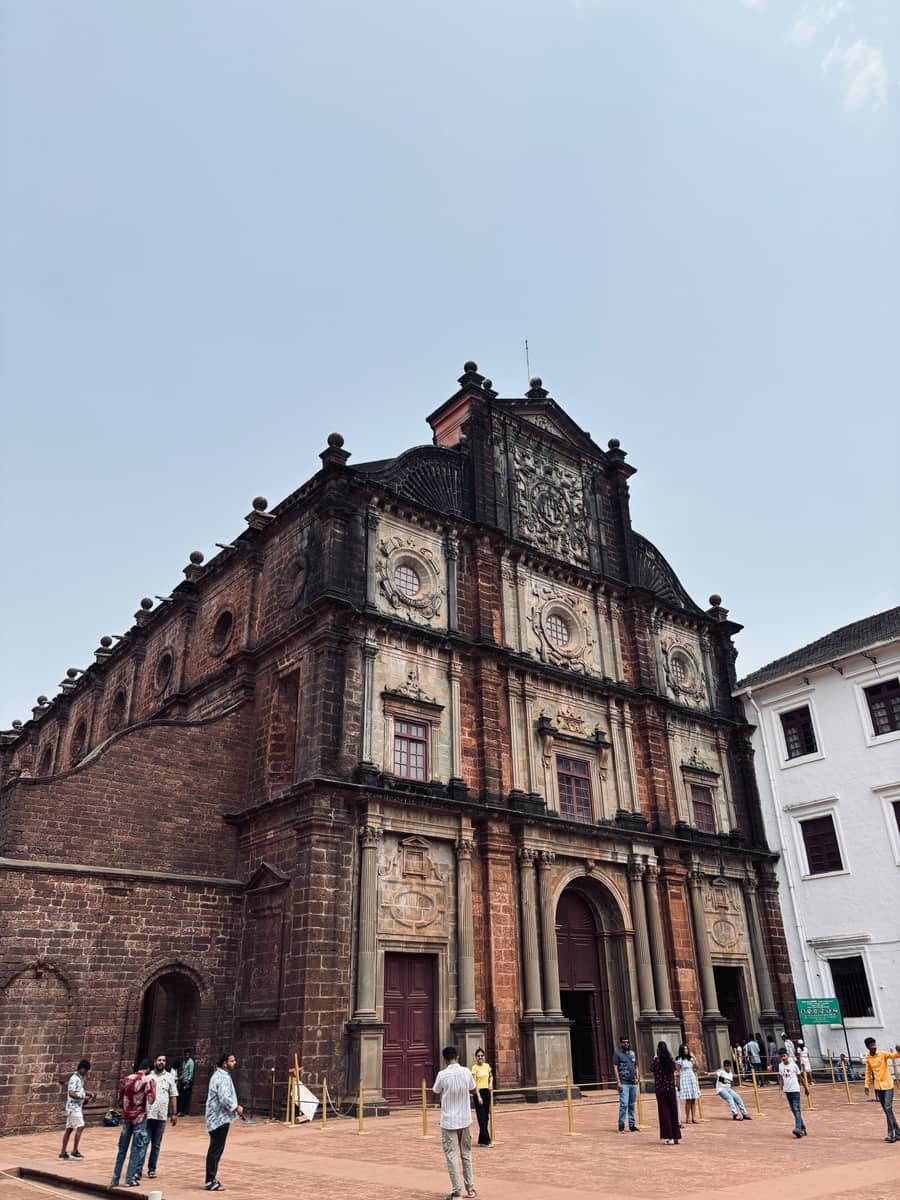
Basilica of Bom Jesus
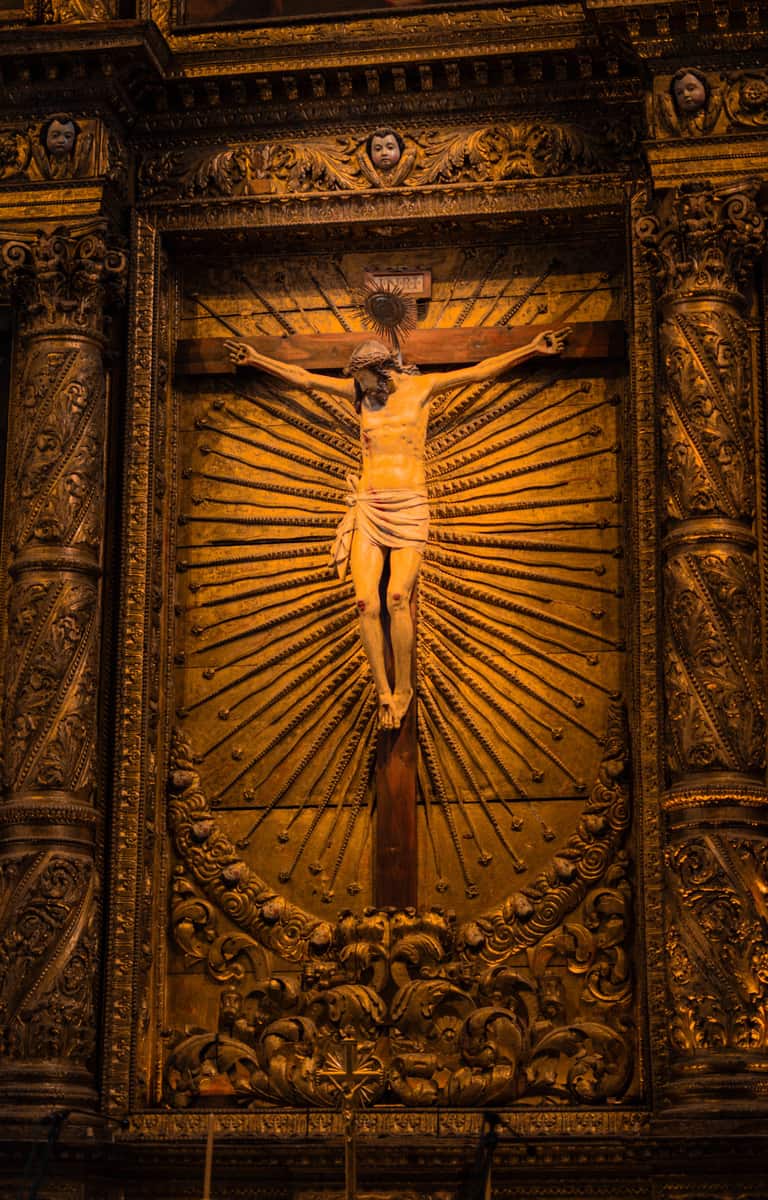
The best-known church of Old Goa and part of a UNESCO World Heritage listing, plain laterite outside and richly gilded within. It holds the relics of St Francis Xavier in a raised casket beside the main altar. Visitors walk the nave and the attached gallery of religious art.
Market2–3 hours
Anjuna Flea Market
A long-running open-air market on the headland at Anjuna, traditionally held on Wednesdays through the tourist season. Stalls sell clothing, jewellery, leather, spices, instruments and souvenirs, with vendors from across India. Bargaining is expected, and the market is at its fullest in the late afternoon.
WaterfallFull day
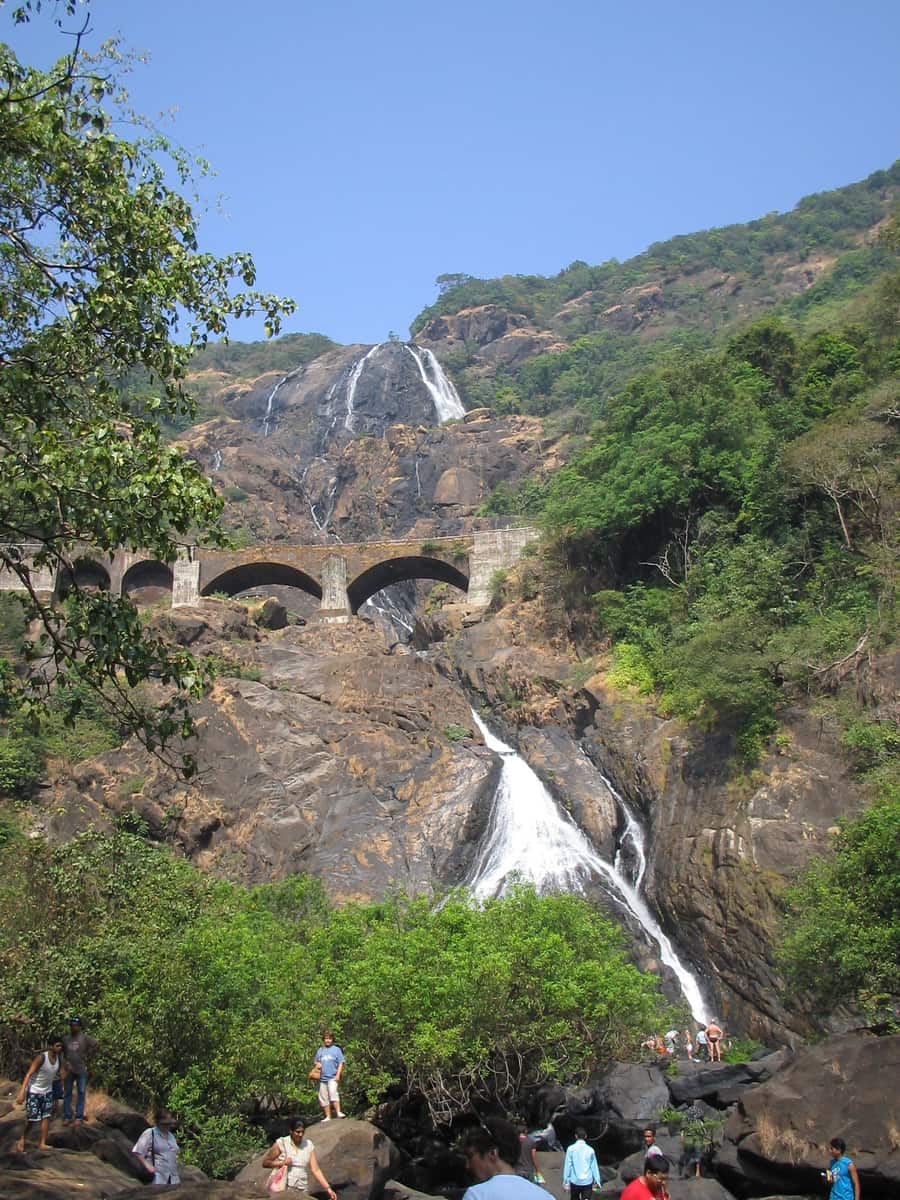
Dudhsagar Falls
A tall, tiered waterfall on the Mandovi in the Western Ghats near the Karnataka border, with a railway line crossing its face. Visits run through Mollem by forest jeep and a short walk to the pool. Flow is heaviest just after the monsoon, and access is restricted at the height of the rains.
BeachHalf day
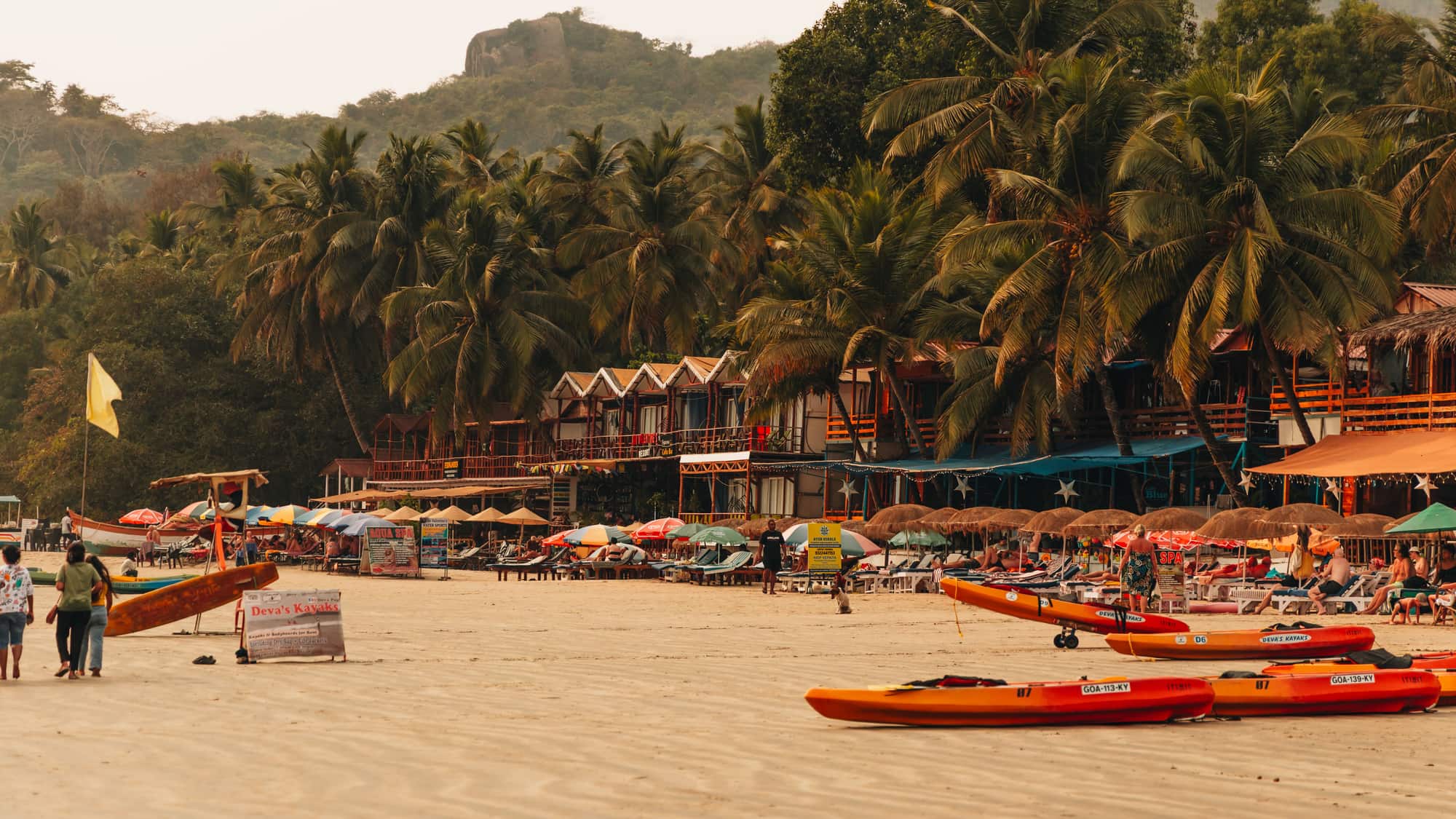
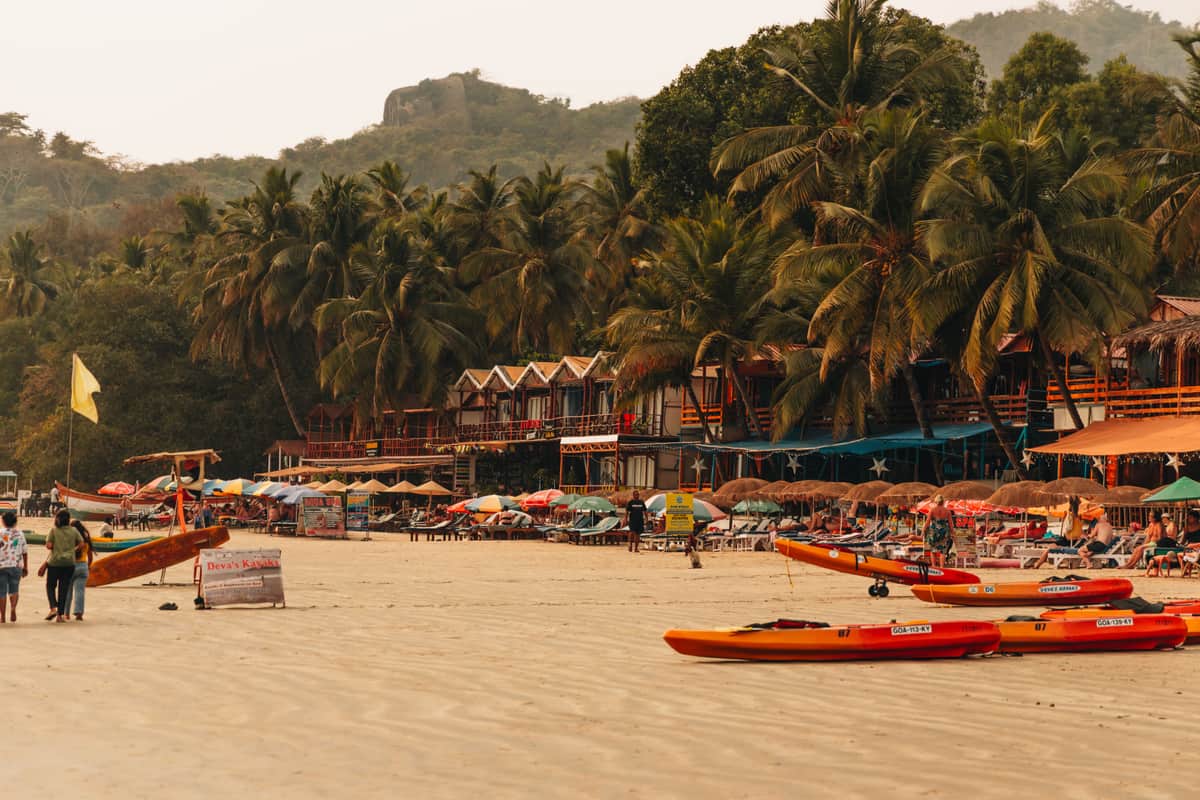
Palolem Beach
A crescent bay in south Goa, sheltered at both ends by rocky headlands and with calmer water than the northern beaches. Kayaking, dolphin-spotting boat trips and the walk out to the small island at the northern tip are the usual activities. Lower-rise and quieter than the north.
Fort1–2 hours
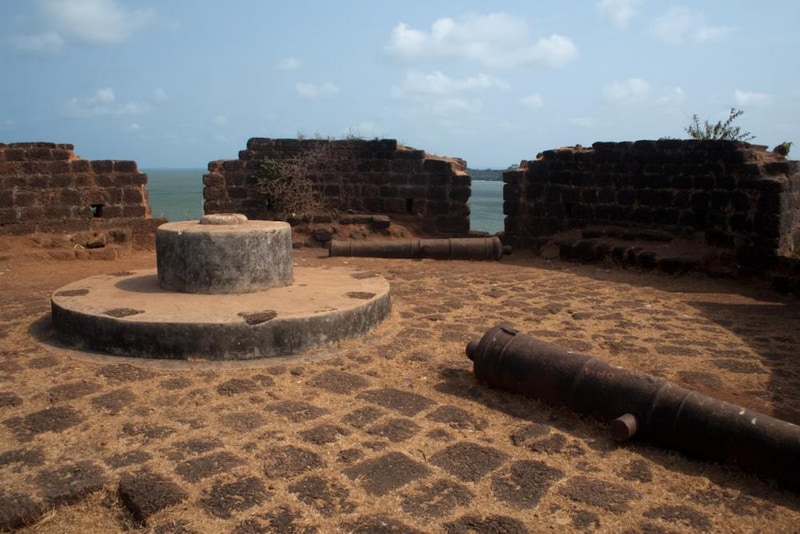
Chapora Fort
A ruined hilltop fort above the Chapora river mouth, reached by a short uphill walk from Vagator. Little survives beyond the outer walls, but the position gives a wide view over the northern beaches and the river. Busiest in the late afternoon for the sunset over the sea.
Heritage SiteHalf day
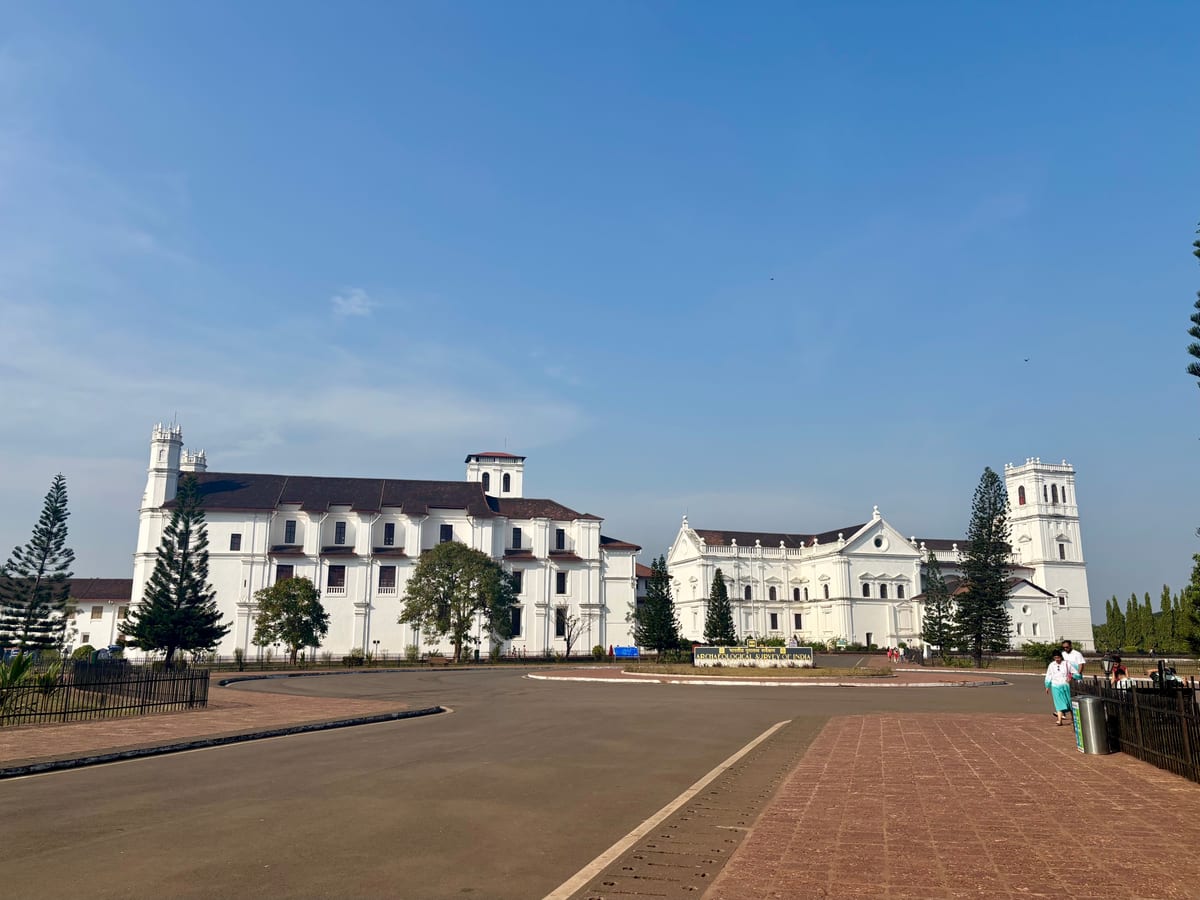
Old Goa churches
The surviving churches and convents of the former Portuguese capital, inscribed together by UNESCO. Beyond the Basilica are Sé Cathedral with its single remaining bell tower, the Church of St Francis of Assisi with its museum, and St Cajetan. They stand on open ground within easy walking distance of one another.
A starting point, not a fixed package
Sample itinerary
Draft — subject to confirmation
1 of 4 days
Day 1
Baga & Calangute Beach & Dudhsagar Falls
Visit Baga & Calangute Beach, Dudhsagar Falls.
Day 2
Fort Aguada & Palolem Beach
Visit Fort Aguada, Palolem Beach.
Day 3
Basilica of Bom Jesus & Chapora Fort
Visit Basilica of Bom Jesus, Chapora Fort.
Day 4
Anjuna Flea Market & Old Goa churches
Visit Anjuna Flea Market, Old Goa churches.
Season by season
Best time to visit
Janpeak
Febpeak
Marshoulder
Aprshoulder
Mayavoid
Junavoid
Julavoid
Augavoid
Sepavoid
Octshoulder
Novpeak
Decpeak
PeakShoulderAvoidAwaiting data
Getting there from India
How to reach
Air
Dabolim and Manohar International Airport serve Goa, with flights from many Indian cities. Choose the airport after confirming whether the stay is in north or south Goa.
Rail
Madgaon and Thivim are the principal railheads, with long-distance services from several parts of India. Karmali can suit Old Goa and Panjim.
Road
Goa is connected by national highways from Maharashtra and Karnataka. Within the state, taxis, rental vehicles and local buses cover the coastal belts and inland sights.
The Indian rupee. Cards and UPI are accepted almost everywhere, from beach shacks to taxi drivers, though small vendors and ferry stalls still prefer cash.
Language
Konkani is the state language, with Marathi widely used. Hindi and English are spoken fluently right across the tourism belt, so communication is never a problem.
Time difference
India uses one national time zone, so no clock change is required. Daylight hours vary by season and longitude.
Weather
Dry, bright and warm from November to March, hot and humid through April and May, and heavily wet during the June to September monsoon.
Connectivity
Excellent mobile data statewide from all the major operators, with reliable hotel wi-fi. Only a few inland forest pockets in the Western Ghats see weak signal.
Food & culture
Goan cooking combines coastal Konkani traditions with Portuguese influence: fish curry and rice, coconut, kokum, xacuti and vegetarian preparations are common. Hindu and Catholic kitchens differ, and local feni is distilled from cashew or coconut. Village feast days, zatras, brass bands and Konkani song shape local culture.
Small details, smoother days
Traveller tips
Beach flags matter here — the sea has strong undertows, particularly from the monsoon into early winter, and lifeguards close stretches to swimmers without warning.
A hired scooter or bike is the standard way to get about, but carry your licence and wear a helmet; police checks are routine and the coastal lanes are narrow.
Goa's taxi trade is largely unmetered and app-cab coverage is limited — agree the fare before you set off, or use the state government's own taxi app.
The monsoon months bring closed shacks, suspended water sports and no boat trips; the coast reopens properly from around October.
Alcohol is inexpensive but drinking on many public beaches is banned, as is carrying glass onto the sand, and the fines are enforced.
North and south Goa are far enough apart that hopping between them eats most of a day — choose your base according to the kind of holiday you want.
A closer look
Gallery
Goa gallery preview
This photograph could not be loaded. Try another image or close the gallery.
Useful answers
Goa FAQs
November to February is generally Goa’s most comfortable period, with drier weather, lower humidity and favourable beach conditions. October and March are useful shoulder months. June to September is the main monsoon season; Goa is greener and quieter then, but rough seas, heavy rain and seasonal restrictions can affect swimming, water activities and some outdoor access.
4 to 6 days is ideal for a first Goa visit. It gives enough time to combine a beach area with Old Goa or Panaji heritage and one slower day, without spending the trip constantly changing locations. Travellers staying a full week can divide nights between North and South Goa for a more balanced coastal experience.
The Orbitz Holidays master-list starting price for Goa is ₹13,000 per person. This is a starting figure rather than a guaranteed final trip total. The final amount can vary with travel dates, hotel category, occupancy, transport and confirmed inclusions. Any unconfirmed taxes, entry charges, activities or airfare should be confirmed before travel.
Goa has two airports, GOI and GOX, and the better choice depends largely on the hotel location rather than airfare alone. Indian citizens do not need a state entry permit. Dudhsagar access, water activities and some local transport operations are seasonal, so current operating conditions and any charges should be confirmed before travel.
Goa works well for couples, families, groups and first-time leisure travellers because it combines coast, heritage and nature. Fort Aguada offers sea-facing history, the Basilica of Bom Jesus anchors the Old Goa heritage circuit, and Dudhsagar adds a very different inland landscape when seasonal access is operating. It is not limited to beach time.
The published starting price is ₹13,000 per person. Exact hotel category, meals, transfers, sightseeing, permits, taxes and transport are included only when stated in the final proposal. Confirm the itemised inclusions before payment.
Start a conversation
Plan your Goa holiday
Share the essentials. An Orbitz Holidays travel planner can follow up with suitable options.